
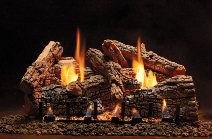
 I bet you’re getting lots of calls for gas log service and installation right now! We’ve been getting quite a few people asking about the differences between Millivolt & IPI burners, so this month That’s what we’re going to review.
Helping your customer choose the right ignition system for their log set can significantly affect convenience, efficiency, and long-term operation. The two most common systems we sell are Millivolt (Standing Pilot) and IPI (Intermittent Pilot Ignition). While both are reliable, they function very differently and each have their own benefits. I don’t have room to cover Variable flame burners in this newsletter today, but that is another commonly used standing pilot system.
Let’s start with Millivolt systems. These burners use a continuously burning pilot flame. This small flame generates a tiny electrical current (millivolts) that powers the gas valve and allows the burner to come on. These work without electricity since the flame is creating the power. Some of the benefits of using a millivolt burner are that they work during a power outage, they use a simple technology with widely available replacement parts, and they are compatible with lots of different remote systems. There are drawbacks to the millivolt system too, such as a higher operating cost due to always burning the pilot flame, and therefore using more gas. All-in-all, they are a dependable product and provide great value for the heat and ambiance they provide.
On to IPI burners. These operate very differently. The pilot is only ignited when a call for gas is made. Since there is no flame to create energy for the gas valve, these require power to operate. All of these burners include a remote control with the purchase. Once the call for gas is made by the remote transmitter, the powered spark will ignite the pilot light. Once the pilot creates enough heat to power the gas valve, the burner will ignite. Once turned off, the pilot will automatically extinguish as well. These will reduce your customer’s gas usage resulting in a lower cost of operation over the life of the product. These are typically more user friendly right out of the box with remote controls and sometimes smart-home integration capabilities. Drawbacks to the IPI burner are that they require power to operate, but they do typically have battery-backup capabilities that allow them to work in an outage. Because these have more electronics, there is more to fail on the unit which may require additional maintenance and service.
Hopefully this gives you a good high-level overview of these two types of burners and how you may be able to apply this information when talking with your customers. Both products are great and have their place in the home. Remember to listen to your customer’s needs and match them with what you can provide. That is the best way to create value in what you do and the expertise you provide. Please don’t hesitate to reach out with any comments, suggestions, or general feedback!
Stay safe out there!
Product Spotlight
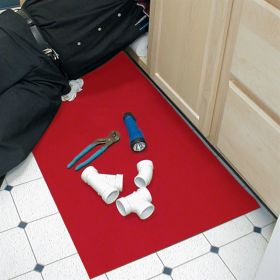
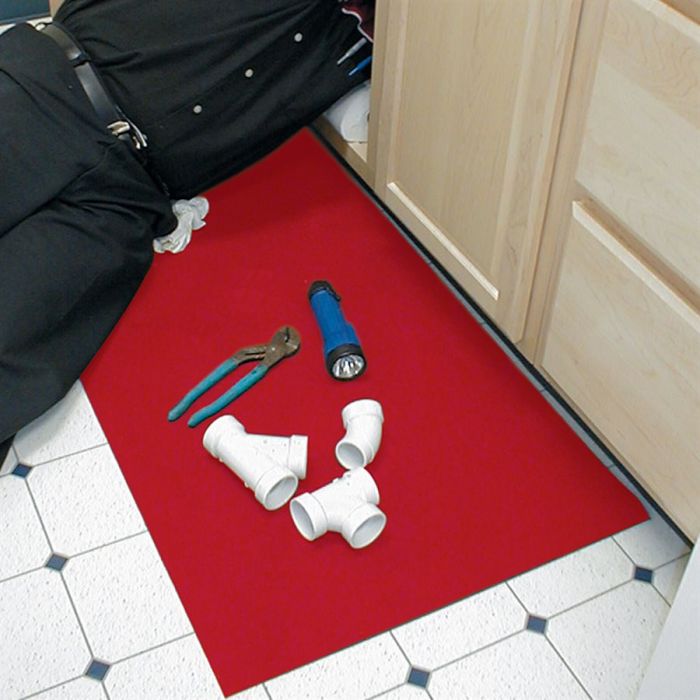
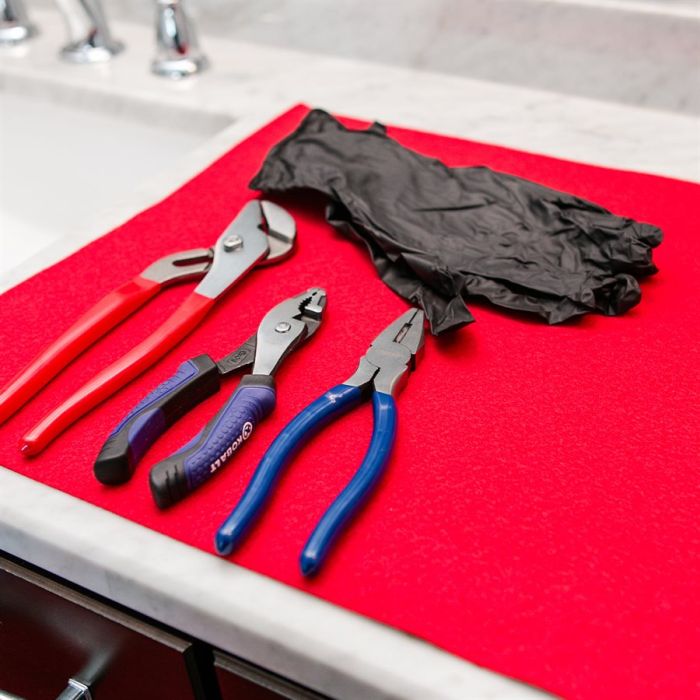
I believe that going the extra mile for the customer is always in the best interest of the company. A great positive experience leads to loyalty and referrals. There is no better advertising than word-of-mouth. That goes for both positive and negative experiences! One way to make the experience a little more positive is by taking the extra time to take care of the customer’s property and maintain a clean work space while in the customer’s home. Both the Counter Tool Mat and Floor Service Mat are great tools to maintain that work space and not damage any of your customer’s property. These mats are reusable and washable. You can also cut them to smaller sizes if needed, they make great toolbox drawer liners as well! They make a great addition to your toolbox, especially for fireplace cleanings where you risk getting soot all over!
Email Darren: dmcardle@gardnermarsh.com