

EMAIL DARREN TO REQUEST FULL NEWSLETTER WITH METHANOL SAFETY SHEET AND PRODUCT SPOTLIGHT: DMCARDLE@GARDNERMARSH.COM
First off, let me just say Happy New Year! May the new year bring you lots of cold weather, gallons sold, and lots of billable service hours!
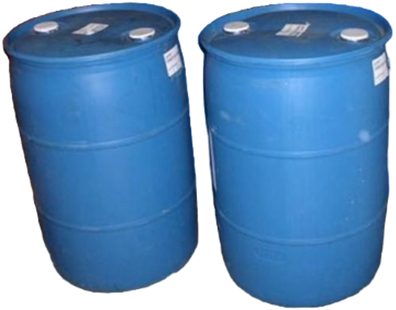
So, with the cold weather, let’s talk Methanol. Methyl alcohol, or methanol, is a colorless liquid. It is poisonous and can be absorbed through the skin, eyes, lungs, and digestive system. Overexposure can cause harm. In the propane industry, we use methanol to prevent any water that may be present in the propane mix from freezing and interfering with a customer’s propane system. There are two primary topics to discuss with methanol: dosage and safety.
Dosage
The use of methanol in propane systems can reduce or eliminate freezing problems in a customer’s system. However, excessive or over use of methanol can also cause issues such as a separate and corrosive water/methanol layer at the bottom of a propane tank or combustion issues with some newer applications that are more sensitive to fuel composition. In June 2007, a study was completed by PERC and Battelle, a scientific research company, to identify ways of using methanol to it’s maximum advantage and minimize issues related to the use of too much methanol. The study also sought to determine if any alternatives to methanol exist and to identify methods to best determine water content in propane. Some positives and negatives came out of the study. The negatives were that none of the existing methods for measuring water and methanol are sufficiently accurate, free from interferences, or usable in the field. As well, the study found no alternatives to methanol that could match it’s combination of effectiveness, lack of operational problems, and low cost. Some positives were the development of a dosing guideline that determined the amount of methanol that can be added to propane without impacting fuel vaporization and presented no significant operational problems. The Guide for Use of Methanol in Propane is attached to this newsletter and includes the treatment rate to follow.
Safety
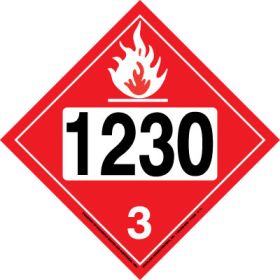
Methanol is still an extremely dangerous product and must be used and treated with care. According to the SDS there are several risks from exposure. Inhalation can cause irritation to the upper respiratory system and cause central nervous system depression resulting in headaches, drowsiness, and confusion. Overexposure by inhalation of vapors can even be fatal. Inhalation, skin contact, or ingestion can cause blindness and liver damage. Direct skin or eye contact can cause irritation. Obviously, there are some real dangers associated with methanol. Be sure to use appropriate PPE while handling this chemical. Make sure you are working in a well-ventilated area, wear eye protection, nitrile or viton gloves, and be sure to wear long sleeves and pants to prevent skin exposure. There is also a flammability risk with this product. It is a class IB flammable liquid. When involved in a fire, it will ignite and produce toxic gases, including carbon monoxide, carbon dioxide, and formaldehyde. Methanol burns with a non-luminous, bluish flame-almost invisible. If a methanol fire is present, use water spray, alcohol resistant foam, dry chemical, or carbon dioxide to extinguish it if you are trained to do so.
In conclusion, just like propane and natural gas, methanol is an extremely useful and beneficial product, but it must be respected. If the appropriate guidelines are followed it can reduce or even eliminate freeze up problems. Be sure to pay attention to any amounts added by your fuel supplier to prevent double dosing or overdosing. As always, follow your company's policies and procedures when handling methanol and stay Safe!