

 I am sure that nearly all, if not all, propane companies require a driver to complete an inspection on a propane tank prior to filling it. I wonder how many companies actually train to that requirement though. Do they outline things like what is being inspected, red flags to look for, what is acceptable, what is not acceptable? I have been thinking back to my training and I can’t recall if it was ever really that specific or not. I also wonder if Service Techs are trained on the same inspection - or is it just assumed they check it every time they are on site?
I am a methodical person, so I tend to have a process for most things I do. I find this is the best way to not forget steps, especially on important tasks such as a tank inspection. Below is my suggested steps for this important responsibility.
1. Start with a basic visual inspection as you approach the tank(s). Look for things like how stable the tank is. Is it level? Check for any changes since the last fill or installation, was a window AC unit installed, a new dryer vent put in, an electrical outlet, etc. Check the overall condition of the paint and tank - are there any rust spots that need further inspection, any obvious dents, or anything that stands out to you as questionable.
2. Once at the tank, look a little deeper at anything that stood out on your way to it. Then check to make sure that the tank is still on a solid foundation and not in the dirt, and check the top of the tank and valve connections for excessive rust or other issues. Check to see if you can see the foot ring or feet of the tank and if any rust is creeping out from the bottom that would indicate a bottom inspection is needed.
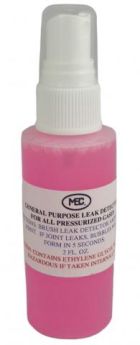
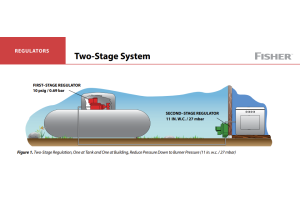
3. While at the tank, check for any obvious issues with the valves and regulator. MEC makes a nice pocket sized 2oz spray bottle (ME-LD02) that you can easily carry with you and use to check for leaks. Make sure no one has tampered with any lines or new changes have been made to the system. Verify that the tank has all of the proper markings including a legible data plate or stamping.
4. Before you start filling, check the fill valve, especially on underground tanks. Make sure there isn’t any debris prior to hooking up to it. Clean it out and make sure you aren't blowing sand, dirt, mulch, nesting materials into the mechanism. The last thing you need is to have to leave behind your safety valve and create a service call you could have prevented by simply doing a little maintenance up front.
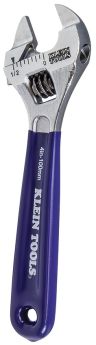
5. As you start filling, it’s time to inspect the bleeder valve. Is it stuck? Is it bleeding? I always found that another great pocket tool to have on you would be a small open-ended wrench like the Klein D86932 4” slim jaw. 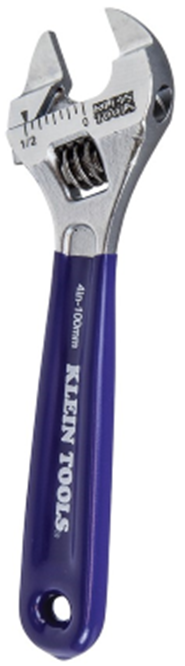 If it isn’t bleeding, try and tighten it up as tight as you can and opening it again, I found this worked more times than not. If that doesn’t work, then try a bit of piano wire to clean it out. As the tank begins to spit liquid, does the gauge match the bleed? Is it roughly 80%?
6. As you disconnect from the tank, does the fill valve seat 100% ensuring no debris has gotten stuck and allowing bleed through? If it is bleeding through, try another squirt of propane and/or tapping the tank near the valve with a rubber mallet. If neither of those work, then leave behind the hose end adapter.
7. If any of the above doesn’t seem right, then stop the process immediately and follow your company's policy on getting the system/tank/installation repaired.
I am sure I missed some things here. It has been a minute since I have been in a truck and this is meant to just be a general guideline and a reminder on important things to look for. Module 10 of the CETP Bobtail Delivery Operations book has a very good review of this material as well. What is your process? Do you have any best practices that you would like to share?
EMAIL DARREN: dmcardle@gardnermarsh.com